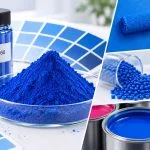
How to Select Pigment Blue 60 for High-Performance Color Formulations
Developing a reliable blue color formulation requires more than choosing a pigment with the right initial shade. Industrial manufacturers must also consider dispersion, compatibility with other ingredients, processing conditions, color consistency, and the performance requirements of the finished product.
Pigment Blue 60 is an anthraquinone-based organic blue pigment that may be considered for selected industrial color applications. For manufacturers and purchasing teams, the key challenge is determining whether a particular commercial grade meets the technical and commercial requirements of the intended formulation.
This article explores the practical factors involved in selecting and evaluating this pigment, helping industrial buyers make informed decisions during product development, supplier qualification, and routine procurement.
Why Pigment Selection Matters in Industrial Manufacturing
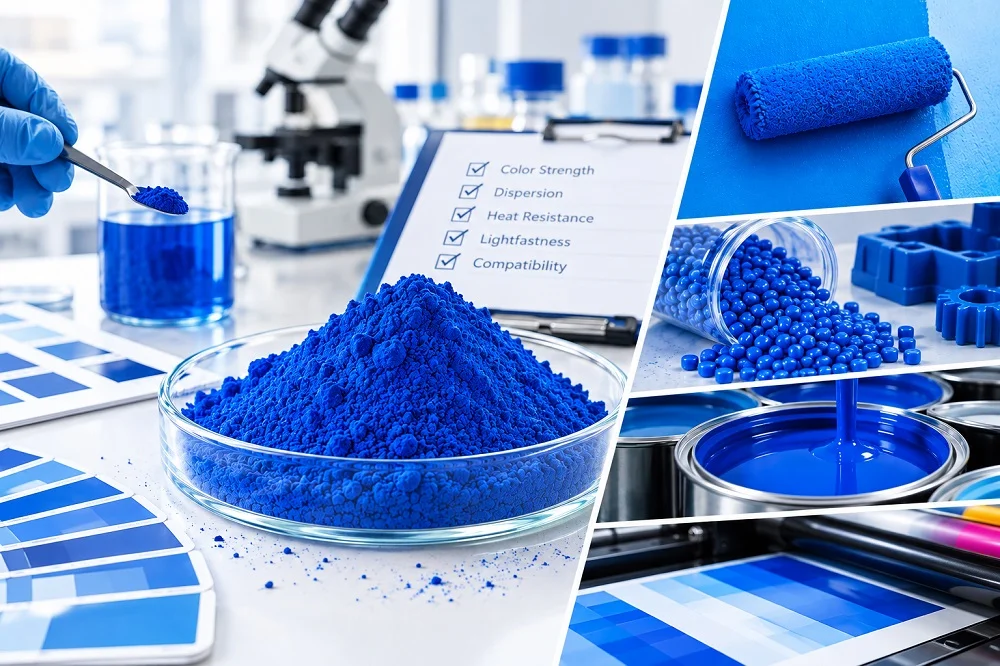
In industrial production, colorants influence both product appearance and manufacturing efficiency. An unsuitable pigment can require additional formulation adjustments, increase processing time, or produce color variations between batches.
These issues can be particularly costly when a manufacturer produces large quantities of colored materials or supplies customers with strict color specifications. Selecting a suitable pigment early in the development process helps reduce uncertainty and supports more predictable production.
For buyers evaluating Pigment Blue 60, the objective should be to identify a grade that meets the actual performance requirements rather than choosing solely on the basis of its general chemical classification or quoted price.
Five Factors to Consider When Evaluating Pigment Blue 60
1. Target Shade and Color Development
The first step is to define the required blue shade and establish an acceptable color tolerance. A pigment that appears suitable in its original form may develop differently when incorporated into a particular resin, polymer, or ink vehicle.
Manufacturers should prepare a reference sample and evaluate color development under controlled conditions. Pigment concentration, dispersion quality, substrate, and formulation ingredients can all influence the final appearance.
For products supplied repeatedly to the same customer, an approved color standard can help maintain consistency and simplify quality inspections.
2. Dispersion Efficiency
Dispersion is an important factor in determining how evenly a pigment distributes throughout a formulation. Inadequate dispersion may cause uneven coloration, visible particles, or surface defects in the finished product.
When testing a proposed grade, manufacturers should use an appropriate dispersion process and check the resulting color uniformity. Processing equipment, dispersing agents, formulation viscosity, and mixing conditions should be considered together.
Efficient dispersion may help reduce processing difficulties, but actual results depend on the complete formulation and the pigment grade being evaluated.
3. Compatibility with the Production System
A pigment must be compatible with the materials and processing methods used by the manufacturer. Requirements differ between solvent-based coatings, water-based formulations, plastic compounds, and printing inks.
Before approving a grade, buyers should confirm that it performs adequately in the intended system. Compatibility testing should include relevant additives, binders, polymers, and processing conditions whenever these factors may affect performance.
This step is especially important when replacing an existing pigment or introducing a new material into an established production line.
4. Durability Requirements
The expected service environment determines which durability properties need the greatest attention. Indoor products may have different requirements from materials exposed to sunlight, elevated temperatures, moisture, or demanding industrial conditions.
Depending on the application, manufacturers may need to evaluate lightfastness, weather resistance, heat stability, and resistance to relevant chemicals. The required performance should be defined before comparing commercial grades.
Request test results and verify them under conditions relevant to the finished product. General product descriptions are not a substitute for application-specific evidence.
5. Total Formulation Cost
Comparing pigments only by price per kilogram can lead to misleading purchasing decisions. The total cost also depends on the dosage required to achieve the target shade, dispersion efficiency, production yield, quality consistency, and potential waste.
A grade with a higher purchase price may still be commercially attractive if it meets the required specifications more efficiently. Conversely, a lower-priced material may create additional costs if it requires frequent color adjustments or produces inconsistent results.
Manufacturers should compare candidates using the same formulation targets and production conditions to obtain a meaningful cost assessment.
How to Improve Color Consistency During Production
Consistent color is essential for manufacturers supplying branded products, repeat orders, and industrial components with defined appearance requirements. A structured quality-control process can help identify variation before it affects finished goods.
Establish a Standardized Testing Procedure
Use consistent pigment concentrations, mixing procedures, substrates, and evaluation conditions when comparing batches. Where appropriate, instrument-based color measurement can supplement visual inspection and provide more objective records.
Any color tolerance should be agreed upon according to the customer's specifications and the requirements of the final product.
Monitor Raw Materials and Processing Conditions
Color variation may result from changes in raw materials, additives, equipment settings, or processing conditions rather than from the pigment alone.
Manufacturers should document important production variables and investigate unexpected differences systematically. Reviewing batch records and retaining reference samples can make troubleshooting more efficient.
Qualify New Grades Before Changing Suppliers
When switching pigment suppliers, compare the proposed material against the existing approved grade. A replacement should be evaluated for color match, processing behavior, durability, and overall cost under representative conditions.
Where production risks are significant, conduct a controlled production trial before approving the replacement for routine purchasing.
Application-Specific Evaluation for Industrial Buyers
Coating Formulations
For coatings, evaluate color development, dispersion, binder compatibility, and the durability required by the intended service environment. Exterior applications may require additional weathering tests, while other systems may place greater emphasis on processing stability or appearance.
Test the pigment in the actual coating formulation before confirming its suitability for production.
Plastic Compounds
Plastic manufacturers should assess the pigment in the intended polymer and processing system. Temperature, residence time, additives, and pigment concentration can affect the final shade and processing performance.
Confirm the recommended processing conditions with the supplier and conduct representative trials before using the material in commercial quantities.
Printing Ink Systems
For printing inks, important evaluation criteria include dispersion, color strength, compatibility with the ink vehicle, and performance on the intended substrate.
Manufacturers should also consider the printing method and the finished print's exposure conditions. A laboratory drawdown or other appropriate application test can help determine whether the pigment meets the required specifications.
Questions to Ask Before Purchasing from a Pigment Supplier
Supplier evaluation should combine technical review with practical purchasing considerations. Asking clear questions at the beginning can help reduce delays and make quotations easier to compare.
- Which commercial grades are available, and what applications are they intended for?
- Can the supplier provide a current technical data sheet and safety data sheet?
- What test data is available for the required performance properties?
- Can samples be provided for laboratory evaluation?
- What are the minimum order quantity and available packaging options?
- What lead times apply to sample orders and regular shipments?
- How does the supplier manage batch consistency and quality concerns?
- What export and compliance documents can be provided for the destination market?
These questions help purchasing teams compare suppliers based on technical suitability, documentation, communication, and supply reliability rather than price alone.
Building a More Reliable Pigment Sourcing Strategy
For companies that purchase pigments regularly, a sourcing strategy should support both immediate production requirements and long-term supply continuity.
Begin by defining a clear material specification, including the required shade, application, performance criteria, and acceptable quality limits. Use this specification to evaluate samples and compare supplier quotations on a consistent basis.
After selecting a suitable grade, maintain records of approved samples, incoming inspections, and production performance. Periodic reviews can help identify changes in requirements and opportunities to improve purchasing efficiency.
For international buyers, it is also important to confirm packaging, transportation arrangements, delivery schedules, and documentation requirements before placing an order.
Frequently Asked Questions
What should I check before buying Pigment Blue 60?
Start with the target shade, intended application, processing conditions, and required durability. Review the technical data sheet, request a sample, and test the pigment in the actual formulation before approving a bulk purchase.
Why is sample testing important when changing pigment suppliers?
Commercial grades may differ in color development, dispersion behavior, and application performance. Testing helps determine whether the proposed material meets the existing specification and whether any formulation adjustments are needed.
How can manufacturers reduce color variation between batches?
Use an approved reference standard, standardized testing procedures, appropriate incoming inspection, and documented production conditions. Investigate deviations before releasing affected material.
What information helps a supplier provide an accurate quotation?
Provide the intended application, target shade, relevant technical specifications, estimated quantity, packaging requirements, and delivery destination. These details help the supplier assess product suitability and commercial requirements.
Discuss Your Pigment Blue 60 Requirements with Our Team
Choosing the right blue pigment involves balancing color development, dispersion, formulation compatibility, durability, and overall production cost. A structured evaluation process helps manufacturers reduce uncertainty and select materials that meet their product specifications.
If you are sourcing Pigment Blue 60 for an industrial formulation, contact our team to discuss your application and purchasing requirements. Share your target shade, technical criteria, and estimated order quantity to request available product information, sample arrangements, and a quotation.
We welcome inquiries from international manufacturers, pigment distributors, and procurement teams seeking a suitable supply partner for their industrial color requirements.
Srodni proizvodi
 Pigment Blue 60: Properties, Applications, and Buying Guide for Industrial Buyers
- Pigment Yellow 139: Properties, Applications, and Buying Guide for Industrial Buyers
- How to Choose the Right Pigment Yellow 97 for Plastics, Coatings, and Inks
- Pigment Yellow 110: Properties, Applications, and Buying Guide for Industrial Manufacturers
- Pigment Red 146: Properties, Applications, and Technical Guide
- What Is Pigment Red 146 and Where Is It Used?
- Why Global Buyers Prefer Pigment Red 177 for High-Performance Industrial Products
- How to Choose a Reliable Pigment Red 177 Manufacturer in China
- Pigment Red 177 Buying Guide: Everything Importers Need to Know Before Purchasing
- Pigment Red 177 for Industrial Coatings: Why It Is the Preferred High-Performance Red Pigment